Does your face feel tight after washing, yet shiny later? Does your nose look oily while your cheeks feel comfortable? Learning how to identify your skin type can help you choose care that suits what your skin actually needs.
In this guide, I will help you observe your skin before deciding what to buy. You do not need expensive equipment or a complicated quiz. You need a few useful clues and some patience.
Here is how to identify your skin type: look for a repeated pattern of oiliness, dryness, or both. Widespread shine suggests oily skin; recurring roughness or dryness suggests dry skin; different patterns in different areas suggest combination skin. Comfortable skin without either extreme is often called normal or balanced. [1]
Sensitivity is another question: dry, oily, or combination skin can also react easily. A home check gives clues, not a medical diagnosis. [2]

Oily, dry, combination or normal: what is your skin type?
Skin type is a useful description of your usual pattern. It helps narrow your choices, but it is not a score of how healthy or attractive your skin is. “Normal” does not mean other types are abnormal.
Start with the pattern across your face. Then make a separate note of concerns such as spots, irritation, or dark marks. This gives you a clearer shopping question than simply asking for “the best skin product.”
| Pattern | Main clue | What to record |
|---|---|---|
| Oily | Shine or a greasy feel across much of the face. | Where and when shine appears. |
| Dry | Recurring roughness, flakes, or an itchy, dry feel. | Areas that feel uncomfortable. |
| Combination | Some areas are oily; others are drier. | Forehead, nose, chin, and cheeks separately. |
| Normal / balanced | No strong, recurring oily or dry pattern. | Whether the skin generally stays comfortable. |
| Sensitive tendency | Products may cause stinging or burning. | The product and reaction—not just a label. |
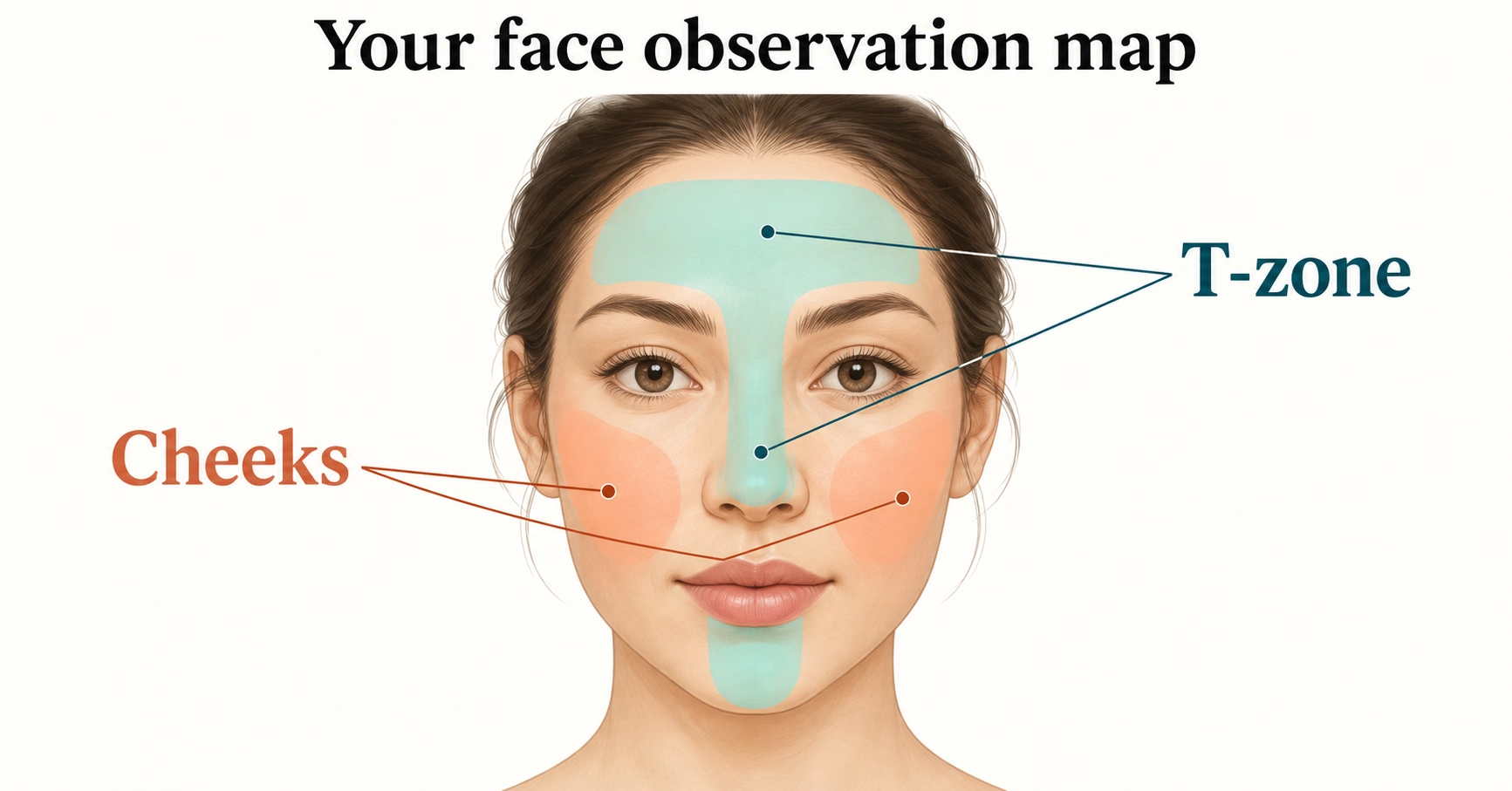
The T-zone means your forehead, nose, and chin. It is a useful area to compare with your cheeks when you suspect combination skin. [5]
How to identify your skin type at home
There is no universal home test that settles your skin type. One commonly described approach is to observe your face around 30 minutes after cleansing. Treat it as a starting clue, not a laboratory result. [2]
- Choose a calm moment. Try an evening at home rather than judging your face immediately after exercise, makeup, or a hot journey.
- Cleanse gently. Use a gentle cleanser, lukewarm water, and your fingertips. Avoid scrubbing; pat dry with a soft towel. [3]
- Observe briefly, only if comfortable. If your skin tolerates it, pause before applying products and check around 30 minutes later. Do not keep waiting through tightness or irritation, and do not delay necessary sun protection for this exercise.
- Compare separate areas. Note your forehead, nose, chin, and cheeks. Write simple words: shiny, comfortable, rough, tight, itchy, or stinging.
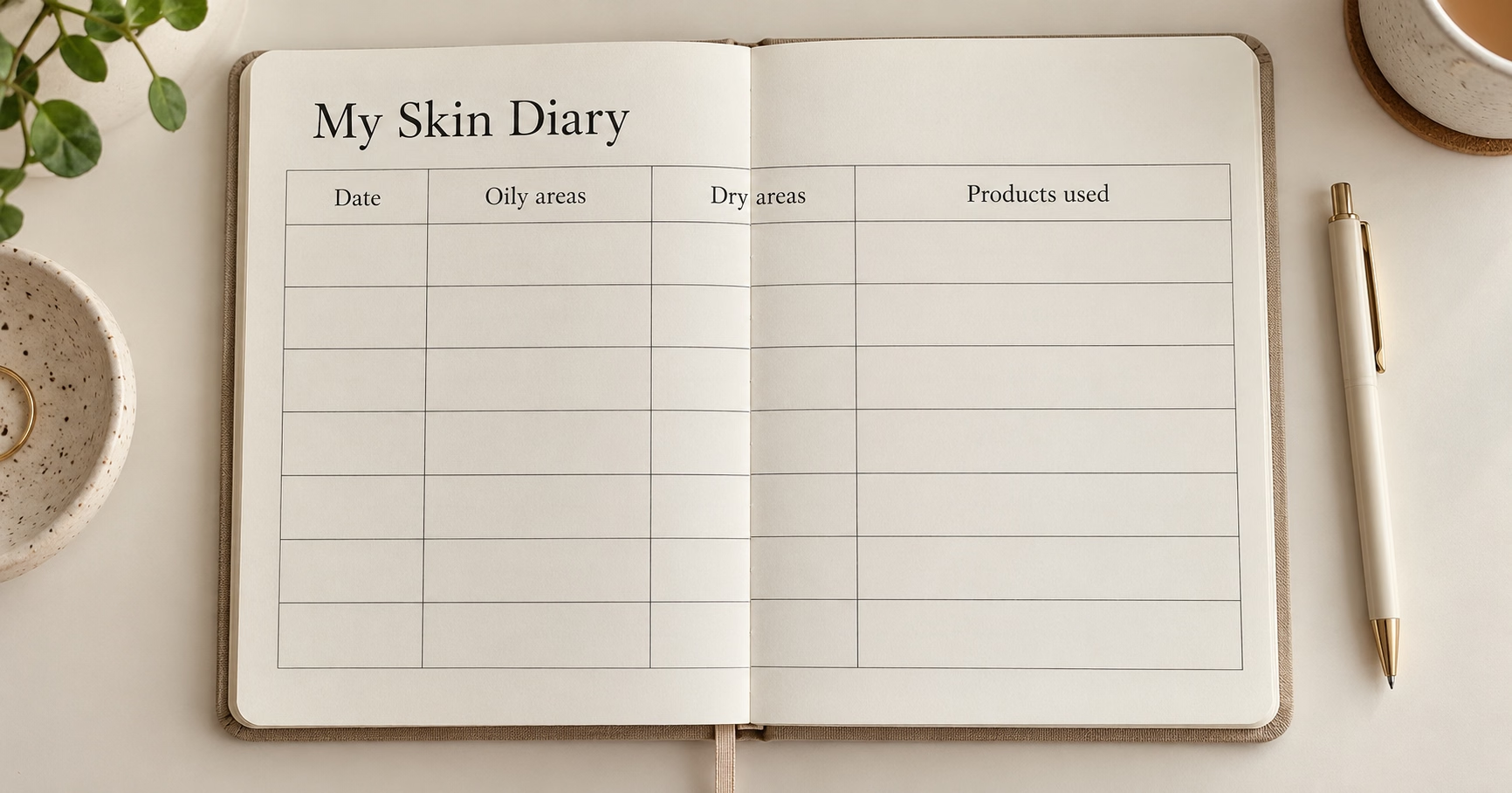
- Repeat on a few ordinary days. A short diary can help you notice a recurring pattern. This is a practical observation aid, not a validated diagnostic test.
Restore your usual comfortable routine afterwards. If you have an active rash, very dry skin, or prescribed treatment, skip the bare-skin exercise and discuss your concerns with your clinician.
Keep a simple skin diary
Keep it short enough that you will actually use it. For example: “Tuesday evening: nose shiny, cheeks comfortable, no stinging. Used my usual cleanser.” Another entry might say: “Wednesday: cheeks felt tight after a different face wash.” These are examples of notes, not patient stories or diagnostic results.
Add a line about anything unusual that day. Did you try a new product? Were you wearing makeup? Did you spend the day somewhere very hot or cold? The aim is to preserve context, not to blame a single factor without evidence.
After a few entries, underline the observations that repeat. If only your nose is repeatedly shiny, write that. If your main issue is burning rather than oiliness, make burning your priority concern. You do not have to solve every uncertainty before asking for help.
You can also photograph the product labels for your appointment. Avoid trying to diagnose your face from enlarged phone photographs; the diary is there to help you describe everyday comfort and changes.
Can blotting paper help?
Blotting paper can show where surface oil collects, but you do not need it to understand your skin. If you use it, press gently rather than rubbing. [2] [4]
Keep the result alongside your notes about comfort. A paper check does not explain why your skin stings, and it should not be used to diagnose a skin disorder.
Why your skin may give mixed signals
Does tightness after washing mean dry skin?
Check your cleanser before deciding you have dry skin. Harsh cleansing products and hot water can contribute to dryness. Tightness after one wash may describe the effect of your routine rather than your usual pattern. [6]
Can oily skin also feel dry?
Oiliness does not mean you should remove all moisture from your routine. The AAD recommends moisturising oily skin too. Avoid trying to reach a completely stripped, squeaky-clean feeling. [4]
Can you have oily and sensitive skin together?
Sensitivity can overlap with oily, dry, or combination skin. [2] Describe both observations—for example, “oily in the centre, but easily irritated”—rather than choosing one and ignoring the other.
A useful distinction
Dryness and dehydration are not completely separate boxes. Skin that has lost moisture can become rough or flaky, and excessively dry skin can be dehydrated. [7] Describe your symptoms first instead of buying a product based on an online label.
For your diary, use three short lines: “Where do I feel oily?”, “Where do I feel dry?”, and “What bothers my skin?” Bring those notes if you seek advice. They are more useful than trying to force every symptom into one category.
Does living in India change how you check?
Use the same observation questions, but record your surroundings. An outdoor journey in Mumbai and a day inside an air-conditioned office are different situations. Do not compare those moments as though everything stayed the same.
India does not have one climate or one skin type. Note your city, season, and usual routine rather than buying something simply because it is advertised for “Indian skin.” Ask how the product fits your actual needs.
What should you do once you know your pattern?
Begin with a simple routine: gentle cleansing, suitable moisturising, and sun protection. You do not need a toner, serum, mask, and exfoliant just to start caring for your skin. [1]
- Mostly oily? Consider a comfortable, lightweight moisturiser and gentle cleansing. Avoid scrubbing away shine. [4]
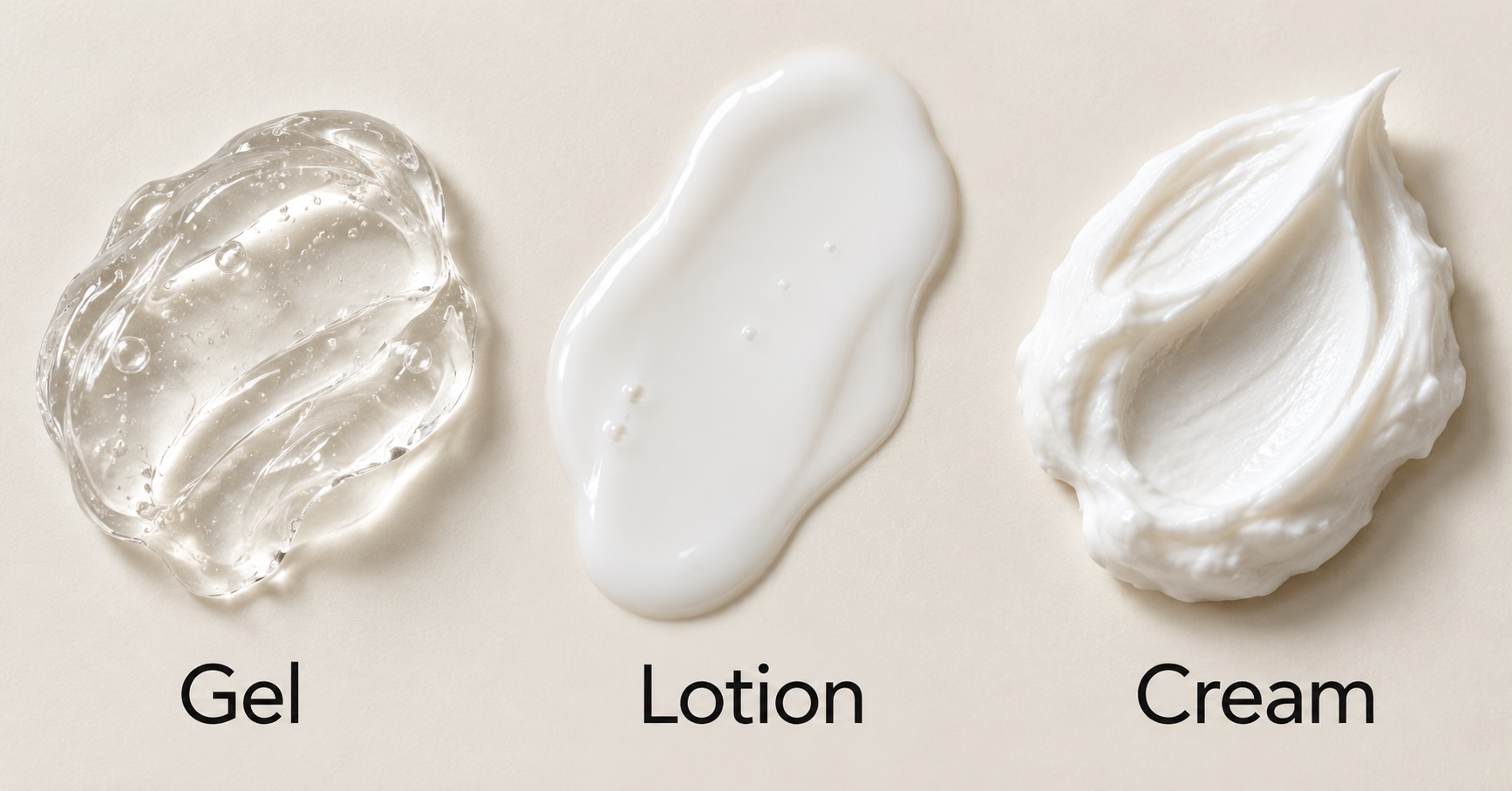
- Mostly dry? A richer cream may be more suitable than a light gel. Review harsh cleansing habits. [5]
- Different areas behave differently? Adjust care to the area rather than assuming every part needs the same amount or texture. [5]
- Generally comfortable? Keep the routine manageable. Add another product only when you can explain what you want it to do.
Read the directions as well as the front label. Introduce changes individually so your observations remain useful. A product that suits a friend is a suggestion to consider, not proof it will suit you.
Before you buy, ask three questions
What problem am I trying to solve? What does this product claim to do? How will I judge whether it helps? Keep your answers simple. You can use them to compare products without feeling pressured to buy an entire range.
Brand note: This guide is published by Dr Sufi’s Wellness, Dr Sufia’s personal care brand. No particular product is necessary for the observation exercise.
Common mistakes—and when to get help
- Judging one unusual day: note the circumstances before changing your whole routine.
- Calling every reaction “sensitive skin”: record the symptoms and suspected product.
- Buying several new products together: it becomes harder to work out which change mattered.
- Chasing poreless skin: aim for comfort and manageable care rather than matching a filtered photograph.
Do not keep testing products over persistent burning, cracking, itching, or a rash. Excessive dryness can have causes that need assessment, and painful reactions to moisturiser are worth discussing with a dermatologist. [6] [8]
You can pause the shopping decision while you seek advice. Take your product names and diary with you; explain what changed and what you noticed.
Frequently asked questions
Do I need to buy a skin-type testing kit?
No special kit is needed for these observations. Start with a mirror and short notes. If the pattern remains confusing, seek personalised advice instead of repeatedly buying tests.
Is an oily nose enough to call my skin oily?
It is not enough to describe your whole face. Compare your nose with your forehead, chin, and cheeks. Record the difference before choosing a label.
Should I stop moisturiser to check my skin?
Do not leave uncomfortable skin untreated for a test. Skip the brief product-free observation if your skin needs moisturiser immediately, and observe your usual routine instead.
Can my skin needs change in winter?
Yes. Cold, dry conditions can contribute to dryness. [6] Note the seasonal change and reconsider your routine rather than assuming last season’s choices must still fit.
Does having pimples mean I have oily skin?
Do not classify your skin from pimples alone. Record the breakout as a concern separately from the oily or dry pattern. Persistent breakouts deserve their own assessment.
Can I keep a product that makes my skin sting?
Do not treat stinging as proof that it works. Stop a non-prescribed product that irritates you and seek advice if symptoms persist. Ask your prescriber about reactions to prescribed treatment. [4]
Can my face and body need different products?
Assess the areas you want to care for separately. A note about a shiny forehead does not describe your hands or legs. Choose a product intended for the area and concern you are addressing.
What if I still cannot identify my skin type?
You can ask for help without settling on a label. Take your observations and product list to a qualified clinician. Explain your main concern, especially if discomfort is more noticeable than oiliness or dryness.
Your next step
Write down your usual oily areas, dry areas, and reactions. Then choose one clear care priority. You do not need a perfect label before making a thoughtful decision.
Return to the observation stepsReferences and further reading
- American Academy of Dermatology: Skin care on a budget.
- Cleveland Clinic: What is my skin type and why does it matter?
- American Academy of Dermatology: Face washing 101.
- American Academy of Dermatology: How to control oily skin.
- American Academy of Dermatology: How to pick the right moisturiser.
- American Academy of Dermatology: Dry skin—who gets it and causes.
- American Academy of Dermatology: Dry skin—signs and symptoms.
- American Academy of Dermatology: Tips for relieving dry skin.